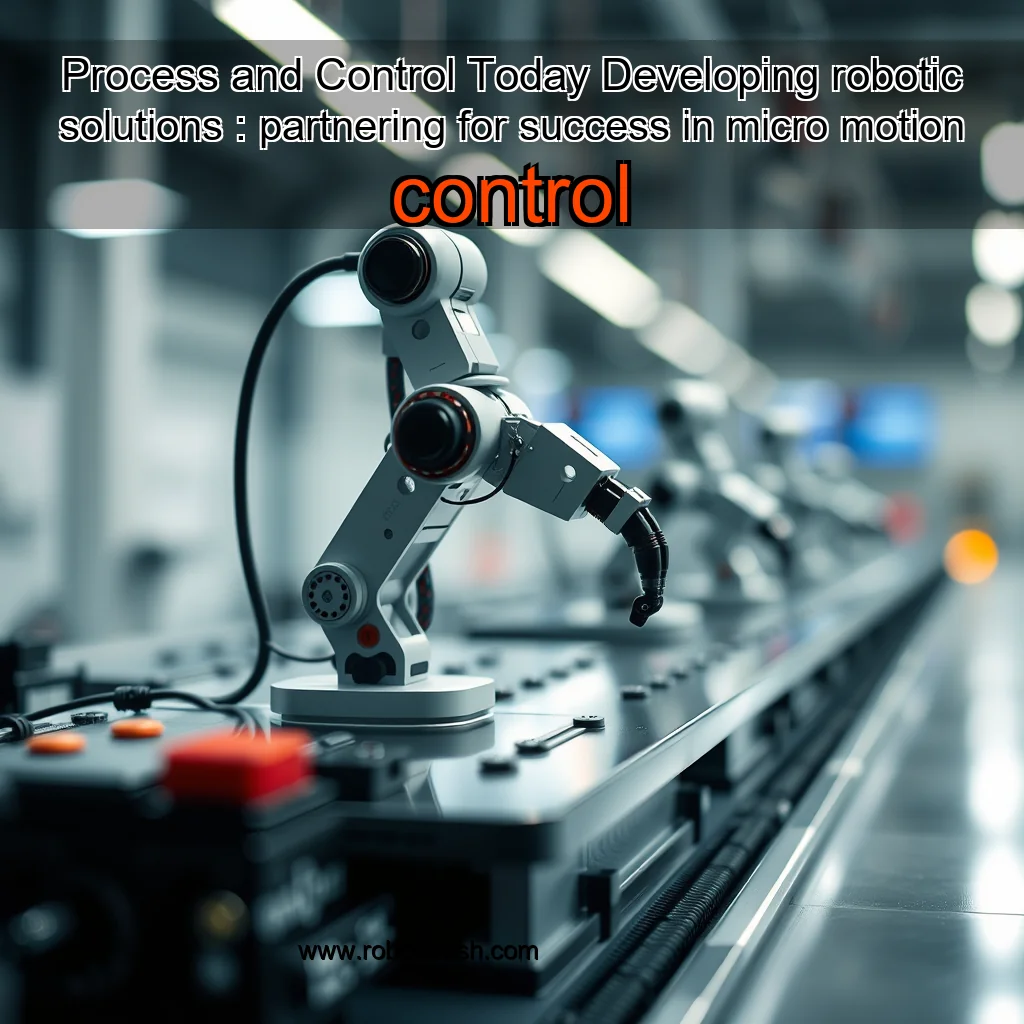
Designing a Robot for Motion Control
Understanding the Basics
Motion control is a fundamental aspect of robotics, enabling robots to interact with their environment and perform tasks with precision and accuracy. At its core, motion control involves the coordinated movement of a robot’s joints, limbs, or other mechanical components to achieve a specific goal. This requires a deep understanding of the underlying mechanics, as well as the ability to translate complex motion concepts into practical, real-world implementations.
Key Considerations for Motion Control
The Role of Engineering Expertise
While the technical aspects of motion control are critical, the role of engineering expertise cannot be overstated.
Design Considerations
The design of the motion system is a critical component of the robot’s overall design. It must be able to efficiently integrate with the robot’s mechanical and electrical components, while also ensuring ease of assembly and regulatory compliance. The following design considerations must be taken into account:
However, the trade-off is that the system may be more susceptible to external disturbances.
The Importance of Kinematic Analysis
Kinematic analysis is a crucial aspect of robot design. It involves the study of the motion of a robot’s joints and the relationships between them. This analysis helps engineers understand how the robot’s movements are affected by its mechanical structure and the forces that act upon it.
Key Considerations
The Challenges of Kinematic Analysis
Kinematic analysis is a complex task that requires careful consideration of various factors. Engineers must take into account the robot’s mechanical structure, the forces that act upon it, and the relationships between its joints.
Factors to Consider
The Benefits of Kinematic Analysis
Kinematic analysis provides several benefits for robot designers.
Thermal Management Challenges
Thermal management is a critical aspect of designing a reliable and efficient motion system. As the motion system miniaturizes, the heat generated by the components increases, making thermal management a significant challenge. Engineers must consider the thermal properties of the components, the heat transfer mechanisms, and the thermal interfaces to ensure that the system operates within a safe temperature range. Key factors to consider: + Component thermal resistance + Heat transfer mechanisms (conduction, convection, radiation) + Thermal interfaces (thermal pads, heat sinks, thermal tapes) + System design and layout
Component Compatibility
Component compatibility is another critical aspect of designing a reliable motion system. Engineers must ensure that the components are compatible with each other, including the motor, gearbox, and control system. This includes considering the working points of the components, including overload and continuous operation. Key considerations: + Motor and gearbox compatibility + Control system compatibility + Working points (overload, continuous operation) + Component tolerances and limits
Environmental Considerations
The environment of operation is also a significant factor in designing a reliable motion system. Engineers must consider the potential for ingress, heat (or cold), and other environmental factors that could affect the system’s reliability.
Balancing torque output with thermal management and footprint requirements is crucial for motion system design.
Balancing Act: Prioritizing Motion System Design Requirements
When designing a motion system, engineers face a multitude of challenges that require careful consideration and prioritization. At the earliest stage of the design process, it is essential to balance various motion system design requirements to ensure the system’s overall performance, efficiency, and cost-effectiveness. In this article, we will delve into the importance of prioritizing motion system design requirements and explore the key considerations that engineers must take into account.
Fundamental Requirements
At the heart of motion system design lies the fundamental requirement of balancing torque output with thermal management and footprint requirements. This is a critical aspect of motion system design, as it directly impacts the system’s overall performance and efficiency. Engineers must carefully consider the following factors:
Choosing the Right Motion Control Solution
When selecting a motion control solution, several factors must be considered. These include the specific application, the type of motion required, and the level of precision needed. For instance, in a manufacturing environment, a motion control system may be used to control the movement of a machine tool, while in a medical device, it may be used to control the movement of a robotic arm.
Early Collaboration: The Key to Successful Robot Development
The relationship between a robot Original Equipment Manufacturer (OEM) and a motion developer is crucial in determining the success of a robot project. A well-coordinated collaboration between these two parties can lead to a more efficient and effective robot design, while a lack of communication can result in costly delays and redesigns. In this article, we will explore the importance of early collaboration between robot OEM and motion developer, and provide guidance on how to establish a successful partnership.
Benefits of Early Collaboration
Early collaboration between robot OEM and motion developer can have a significant impact on the success of a robot project. By working together from the outset, these parties can identify potential issues and develop solutions that meet the needs of both parties. This collaborative approach can lead to improved design efficiency, reduced costs, and enhanced product quality.
The Role of the Motion Developer
The motion developer plays a critical role in the robot development process. Their expertise in motion planning and control can help to optimize the robot’s performance and efficiency. A motion developer can:
The Role of the Robot OEM
The robot OEM is responsible for designing and manufacturing the robot’s mechanical and electrical components.