The Evolution and Future Impact of Robotic Technology in Modern Society
In an era where innovation is reshaping industries at lightning speed, robotic technology has emerged as a cornerstone of progress. From automated manufacturing lines to autonomous vehicles and advanced medical robotics, robots are no longer confined to science fiction—they are now integral components of our daily lives.
This article delves deep into the world of robotic technology, exploring its origins, current applications, challenges, future developments, ethical considerations, and its profound impact on various sectors including healthcare, agriculture, transportation, and beyond. Whether you’re a tech enthusiast, researcher, or simply curious about how machines are transforming society, this guide will provide invaluable insight into the fascinating realm of robotics.
The Origins and Development of Robotic Technology
The concept of mechanical automation dates back centuries, but modern robotic technology began taking shape in the mid-20th century. Early innovations were driven by industrial needs, leading to the creation of programmable machines capable of performing repetitive tasks with precision.
Pioneering figures such as George Devol and Joseph Engelberger played pivotal roles in developing the first industrial robots during the 1950s and 1960s. These early systems laid the foundation for today’s sophisticated robotics, which integrate artificial intelligence, machine learning, and sensor technologies.
Rapid advancements in computing power and materials engineering have transformed simple mechanical arms into highly adaptable systems. Today’s robots can navigate complex environments, process vast amounts of data, and interact with humans in increasingly natural ways.
As research continues to push boundaries, we see the emergence of collaborative robots—also known as cobots—that work alongside humans rather than replacing them entirely. This shift reflects evolving priorities in workplace safety and efficiency.
Current Applications Across Industries
Robotic technology is revolutionizing numerous industries, offering solutions that enhance productivity, reduce costs, and improve quality control. In manufacturing, robots perform assembly line operations with unmatched accuracy and consistency.
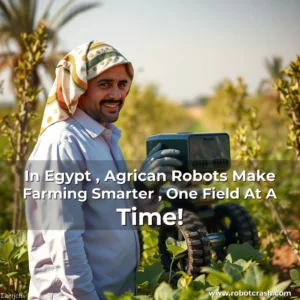
Agriculture benefits from robotic harvesters, planting systems, and monitoring drones that optimize crop yields while minimizing environmental impact. These innovations help address global food security concerns through increased efficiency and resource management.
Healthcare remains one of the most transformative areas for robotic integration. Surgical robots enable minimally invasive procedures with higher precision, reducing recovery times and complications for patients worldwide.
Transportation is another sector undergoing significant change due to self-driving car technology and drone delivery services. Companies like Tesla and Waymo are pioneering autonomous driving systems that promise safer roads and reduced traffic congestion.
Healthcare Innovations Through Robotics
Medical robotics has made remarkable strides over recent decades, improving patient outcomes across various specialties. One notable example is the Da Vinci Surgical System, which allows surgeons to perform intricate operations using high-definition visualization and enhanced dexterity.
Robotic exoskeletons assist individuals with mobility impairments by providing support during movement. These wearable devices use sensors and actuators to mimic human motion patterns, enabling users greater independence.
Telepresence robots are also gaining traction in remote healthcare settings. They allow doctors to conduct virtual consultations and monitor patients’ conditions without physical presence, expanding access to care in underserved regions.
Additionally, robotic prosthetics equipped with neural interfaces offer unprecedented levels of control and functionality for amputees. Advances in brain-computer interface technology continue pushing these capabilities further each year.
Advancements in Artificial Intelligence and Machine Learning
The fusion of AI and robotics has unlocked new possibilities, allowing machines to learn from experience, adapt to changing circumstances, and make decisions autonomously. This synergy enables robots to operate in unpredictable environments previously deemed too challenging for automation.
Machine learning algorithms empower robots with pattern recognition abilities, making them adept at identifying objects, navigating spaces, and responding appropriately based on real-time inputs. Deep learning models contribute significantly to image processing and speech understanding capabilities within robotic systems.
Natural Language Processing (NLP) plays a crucial role in enhancing human-robot interaction. By interpreting spoken commands accurately, NLP facilitates smoother communication between operators and their robotic counterparts.
Reinforcement learning techniques allow robots to refine their skills through trial-and-error processes, gradually optimizing performance metrics over time. This approach mimics biological learning mechanisms found in living organisms.
Evolving Trends Shaping Tomorrow’s Robots
Futuristic trends indicate that upcoming generations of robots will possess even greater autonomy, flexibility, and cognitive abilities. Soft robotics—an emerging field focusing on flexible materials—is redefining traditional rigid structures used in conventional designs.
Miniaturization efforts aim to create smaller yet powerful robots suitable for specialized applications ranging from micro-surgery to space exploration missions requiring compact equipment. Nanobots represent one extreme end of this spectrum, operating at microscopic scales for targeted treatments inside the body.
Sustainable practices influence design choices regarding energy consumption and material selection. Green robotics prioritize eco-friendly production methods and recyclability features inherent in product lifecycle planning stages.
Collaborative frameworks involving interdisciplinary teams foster rapid prototyping cycles necessary for bringing novel ideas swiftly onto market shelves before competitors gain ground.
Challenges Faced by Robotic Technologists Today
Despite impressive achievements, several obstacles hinder widespread adoption and implementation of robotic technologies across different domains. Technical limitations remain one primary concern; achieving seamless integration often requires overcoming compatibility issues among disparate hardware/software platforms.
Economic factors play equally vital roles in determining success rates associated with deploying robotic solutions economically viable long-term propositions viable across diverse geographical locations characterized varying infrastructural readiness levels.
Security vulnerabilities pose additional risks when sensitive information processed onboard devices susceptible cyber threats targeting critical infrastructure networks reliant upon interconnected smart systems necessitating robust encryption protocols guarding against unauthorized intrusions compromising operational integrity.
Legal uncertainties surrounding liability attribution complicate matters further especially scenarios involving accidents caused malfunctions attributable either faulty programming errors inherent algorithmic biases embedded decision-making processes executed autonomously devoid direct human intervention oversight.
Ethical Considerations Surrounding Autonomous Systems
With increasing reliance on autonomous systems comes heightened scrutiny concerning moral implications tied to their deployment usage patterns affecting societal norms values upheld collective consciousness shaping public perception toward technological advancement trajectories pursued relentlessly forward unimpededly.
Bias detection becomes paramount ensuring fairness transparency maintained throughout development phases preventing discriminatory tendencies manifesting unintended consequences harming marginalized communities disproportionately affected adverse effects stemming opaque algorithms lacking interpretability hindering accountability tracing back source origins initiating problematic behaviors observed externally.
Privacy preservation emerges central theme demanding rigorous safeguards protecting personal identifiable information collected via pervasive surveillance networks integrated seamlessly into everyday life experiences facilitated ubiquitous connectivity enabled wireless communication standards underpinning digital ecosystems thriving globally.
Environmental stewardship responsibilities extend beyond mere functional requirements encompassing entire lifecycles products manufactured utilizing sustainable sourcing strategies promoting circular economy principles reducing carbon footprints generated throughout supply chain operations conducted responsibly ethically mindful manner preserving planetary health resources finite nature constrained availability.
The Role of Education and Workforce Adaptation
To fully harness potential offered robotic technology necessitates cultivating skilled workforce prepared迎接 challenges opportunities arising transformational shifts occurring rapidly across multiple facets employment landscape altering traditional job roles rendering obsolete certain positions simultaneously creating demand new expertise categories.
Education institutions bear responsibility equipping students competencies required thrive future workplaces emphasizing STEM disciplines reinforcing foundational knowledge mathematical sciences computer engineering fields complemented soft skills fostering creativity problem-solving capabilities essential navigating dynamic environments characterized constant evolution innovation cycles accelerating pace exponentially.
Lifelong learning initiatives become indispensable tools empowering professionals stay updated industry trends mastering latest methodologies leveraging cutting-edge tools available open-source platforms cloud-based infrastructures facilitating continuous skill enhancement regardless age background profession.
Public-private partnerships facilitate bridge gap existing disparities ensuring equitable access training programs tailored regional needs addressing local labor markets demands efficiently aligning educational outputs market expectations effectively translating theoretical concepts practical implementations benefitting broader population segments collectively contributing national economic growth prosperity.
Global Perspectives on Robotic Adoption
Different countries exhibit varied approaches towards integrating robotic technologies depending cultural attitudes regulatory frameworks economic incentives available influencing degree penetration achieved respective nations pursuing divergent paths dictated unique contextual variables.
Japan leads forefront development humanoid robots serving dual purposes entertainment companionship assistance elderly populations experiencing demographic shifts prompting urgent need innovative solutions alleviating burdens caregiving responsibilities traditionally borne family members caregivers alike.
Germany emphasizes precision engineering excellence maintaining stringent quality assurance measures prioritizing reliability durability defining benchmarks excellence attained German-manufactured goods synonymous superior craftsmanship appreciated internationally renowned reputation earned decades consistent adherence highest standards achievable technical prowess demonstrated consistently.
United States focuses competitive edge driven entrepreneurial spirit venture capital investments fueling startups disrupting established paradigms through disruptive innovations challenging status quo incumbents forced adapt survive amid fierce competition intense pressure innovate continually lest risk obsolescence rendered irrelevant rapidly evolving technological landscape.
Future Prospects and Emerging Opportunities
Looking ahead, robotic technology promises exciting prospects poised transform everyday existence profoundly impacting personal professional spheres alike. Integration augmented reality virtual reality interfaces enhances immersive experiences enabling intuitive controls manipulating digital representations tangible objects effortlessly bridging gaps separating physical cyberspace realms.
Quantum computing breakthroughs may unlock next-generation processing capabilities surpassing classical limits currently constraining complexity levels handled conventional architectures paving way smarter adaptive systems capable handling vast datasets executing intricate calculations instantaneously delivering results previously unimaginable.
Space exploration stands poised for monumental leaps thanks advances propulsion systems lightweight materials enabling construction lunar bases Mars colonies utilizing robotic assistants managing routine maintenance tasks ensuring sustainability prolonged habitation periods hostile extraterrestrial environments.
Biomedical engineering collaborations yield promising avenues regenerative medicine tissue engineering bioprinting techniques reconstruct damaged organs tissues restoring physiological functions lost injuries diseases once considered untreatable now becoming feasible realities thanks combined efforts cross-disciplinary researchers working tirelessly unravel mysteries life itself seeking cures ailments plaguing humanity millennia.
Conclusion
Robotic technology represents not merely scientific achievement but catalyst sparking revolutions across multitude dimensions affecting nearly every aspect contemporary civilization. Its journey from rudimentary automatons advanced intelligent entities underscores relentless pursuit perfection harmony coexistence man machine.
By embracing ongoing developments mindfully considering ethical ramifications preparing adequately meet inevitable changes horizon, society can ensure responsible utilization beneficial outcomes maximizing positive impacts minimizing negative repercussions thus securing prosperous future enriched contributions robotic innovations.