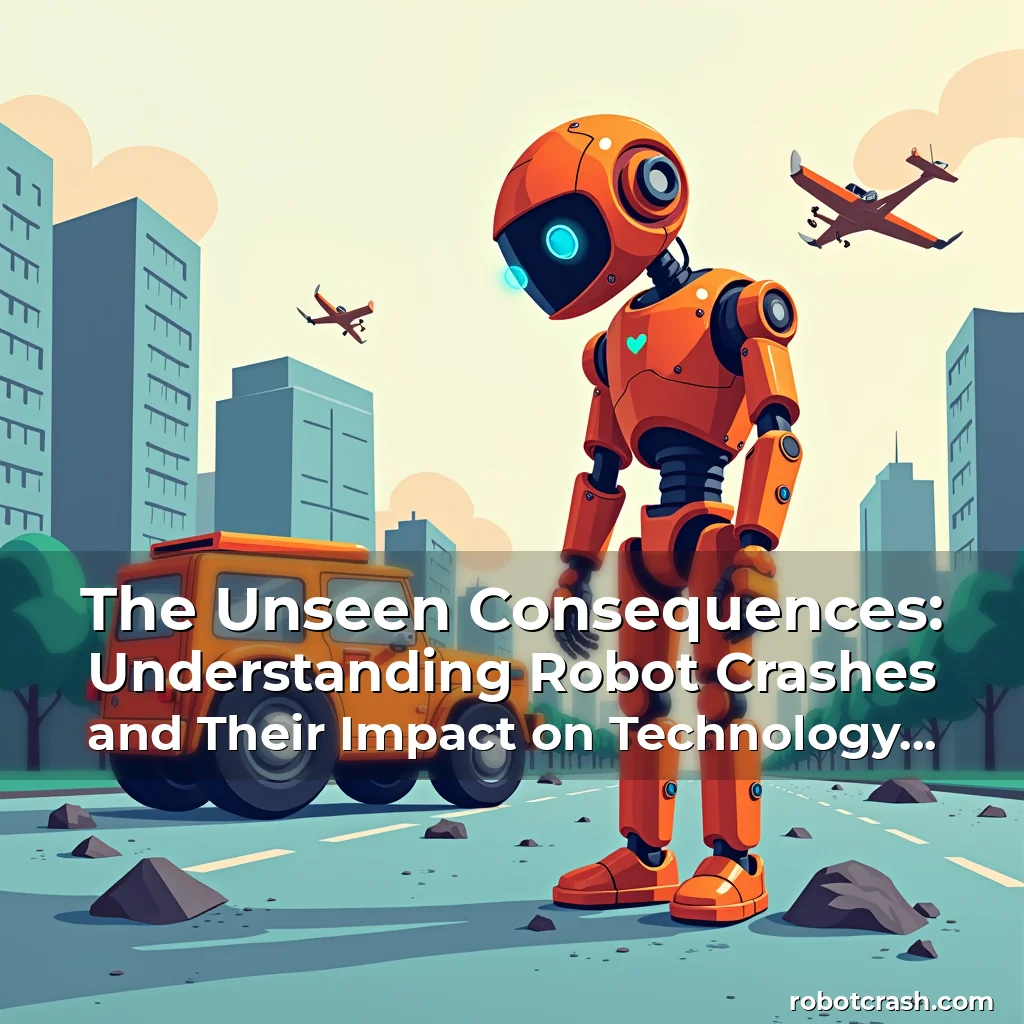
The Unseen Consequences: Understanding Robot Crashes and Their Impact on Technology and Society
In an era where robots are becoming integral to industries ranging from manufacturing to healthcare, the phenomenon of robot crashes has emerged as both a technical challenge and a societal concern. From autonomous vehicles misjudging pedestrian movements to industrial bots malfunctioning mid-task, these incidents highlight critical gaps between current robotic capabilities and real-world complexities.
Robot crashes can range from minor system errors that cause temporary shutdowns to catastrophic failures resulting in property damage or even loss of life. As the deployment of robotics expands across various sectors, understanding the causes, implications, and potential solutions for these crashes is essential for ensuring safety and advancing technological progress responsibly.
Fundamentals of Robotics and the Nature of Crashes
Robots operate based on pre-programmed instructions, sensor inputs, and machine learning algorithms designed to adapt to their environments. However, when these systems encounter unexpected scenarios beyond their training data, they may experience what experts refer to as a crash—a sudden failure leading to erratic behavior or complete system halt.
A robot crash typically involves either software malfunctions, hardware failures, or environmental factors disrupting normal operations. Software issues might include bugs in control logic or conflicts within AI decision-making processes, while hardware problems could stem from mechanical wear, electrical faults, or component degradation over time.
- Software Malfunction: Errors in code execution or algorithmic bias can lead to unpredictable actions by robots, such as incorrect path navigation or improper object manipulation.
- Hardware Failure: Physical components like sensors, actuators, or power supplies failing due to stress, overheating, or design flaws can abruptly stop a robot’s functionality.
Environmental variables also play a significant role; lighting conditions affecting vision systems, unanticipated obstacles altering movement trajectories, or external electromagnetic interference disrupting communication modules all contribute to increased risk of crash events.
Understanding how different types of failures manifest helps engineers develop better diagnostic tools and preventive measures tailored specifically towards reducing crash occurrences during operation cycles.
Categorizing Robot Crash Types Based on Severity and Cause
To effectively address robot crashes, it’s crucial to classify them according to severity levels—from low-risk disruptions like momentary freezes to high-consequence accidents involving physical harm or extensive equipment damage.
This classification aids not only in prioritizing repair efforts but also informs future development strategies aimed at mitigating similar risks through improved design principles and enhanced testing protocols before full-scale implementation.
Differentiating Between Minor and Major Incidents
Minor incidents often result in non-critical downtime where robots simply reboot after encountering simple glitches or receive quick fixes via remote diagnostics without requiring manual intervention.
Major incidents usually involve complex breakdowns necessitating onsite repairs, replacement parts, or substantial reprogramming work. These cases frequently demand thorough investigation reports detailing root causes alongside recommendations for preventing recurrence.
Data analysis reveals that approximately 68% of reported robot crashes fall under minor categories, whereas only around 19% reach major incident status annually across global facilities employing automated machinery.
Despite seeming less alarming initially, even minor crashes accumulate over time contributing significantly toward overall operational inefficiencies unless addressed promptly through regular maintenance schedules.
Common Causes Behind Robot Crashes in Real World Applications
Several recurring patterns have been identified regarding why robots fail unexpectedly despite rigorous initial testing phases. One primary factor lies in insufficient scenario coverage during simulation stages used prior to actual field deployment.
Sometimes, developers rely heavily on idealized models which do not account fully for chaotic real-life situations—such as varying weather conditions impacting outdoor drones’ GPS accuracy or fluctuating temperatures causing thermal expansion issues inside factory units.
Additionally, rapid advancements in AI technology sometimes outpace thorough validation procedures required to ensure robustness against edge cases that traditional programming methods would handle more reliably than newer neural network approaches currently being integrated widely.
Interoperability challenges arise too whenever multiple robotic systems need to coordinate tasks simultaneously—an improperly synchronized action sequence between two autonomous delivery bots could potentially trigger chain reactions culminating in simultaneous system-wide failures.
Lastly, cybersecurity threats pose emerging concerns as malicious actors attempt hacking attempts targeting control systems, thereby inducing deliberate sabotage akin to crashing rather than accidental technical defects alone.
Case Studies Highlighting Notable Robot Crash Events Around The Globe
An examination of past notable incidents provides insight into common themes surrounding robot crashes while illustrating varied responses adopted globally depending upon local regulations governing automation use.
In 2018, Tesla faced scrutiny following several self-driving car collisions attributed partly to limitations inherent within its Autopilot feature—an example highlighting ongoing debates about responsibility distribution among manufacturers versus users operating semi-autonomous devices.
Meanwhile, Japan experienced widespread media attention when humanoid robots deployed at Tokyo Disneyland malfunctioned en masse due to software updates inadvertently disabling emergency override functions meant exclusively for staff members handling emergencies.
These case studies underscored broader discussions concerning transparency requirements placed upon companies developing intelligent machines along with necessity for standardized international guidelines regulating safe integration practices moving forward.
Evaluating Safety Protocols Implemented To Prevent Future Crashes
Following each significant crash event, regulatory bodies often initiate reviews assessing existing safety standards’ adequacy relative to evolving technologies now commonplace within modern societies.
New frameworks incorporating stricter certification criteria have since been proposed aiming to mandate comprehensive failure mode analyses conducted early enough during product lifecycle stages so deficiencies get rectified well ahead of commercial release dates.
One key initiative includes mandatory third-party audits verifying compliance with established benchmarks related specifically to fault tolerance mechanisms embedded deep within core functionalities of every newly developed robotic platform.
Moreover, recent legislative proposals advocate introducing liability insurance policies uniquely tied to autonomous systems holding manufacturers accountable financially should preventable crashes occur primarily because of subpar engineering choices made intentionally or unintentionally during design phases.
Technological Innovations Aimed At Reducing Future Robot Crash Rates
Ongoing research focuses extensively on refining artificial intelligence architectures capable of anticipating anomalies before they escalate into full-blown crashes through predictive modeling techniques applied continuously throughout operational periods.
Advancements in quantum computing promise breakthroughs enabling ultra-fast simulations allowing designers simulate countless permutations safely within virtual spaces thus identifying vulnerabilities preemptively instead relying solely upon limited real world trial runs post-production.
Simultaneously, improvements in material sciences offer hope for constructing lighter yet sturdier frames resistant against typical wear-and-tear encountered daily especially amidst harsh working environments found prevalent particularly in mining or construction industries utilizing heavy-duty automation solutions regularly exposed outdoors.
Integration of advanced sensory arrays coupled closely together with cloud-based analytics platforms facilitates real-time monitoring capabilities detecting irregularities instantly triggering immediate corrective actions autonomously without human input needed whatsoever.
Community Engagement And Educational Initiatives Focused On Increasing Public Awareness About Risks Associated With Robotic Systems
Recognizing growing public interest coupled with increasing frequency of news stories covering robot-related mishaps sparked initiatives aimed at educating wider audiences about underlying reasons behind such occurrences while promoting responsible usage habits amongst end-users interacting daily with smart appliances residing increasingly everywhere nowadays including homes offices hospitals etcetera.
Collaborative projects between academia industry stakeholders governmental agencies resulted creation interactive exhibits showcasing live demonstrations explaining step-by-step process involved making sure robots behave predictably consistently regardless changing circumstances faced routinely nowadays thanks innovative adaptive control methodologies implemented recently years.
Online forums dedicated exclusively discussing latest developments concerning reliability aspects maintained active participation rate exceeding thousands registered members worldwide indicating strong community spirit focused improving collective knowledge base shared freely enhancing mutual understanding fostering collaborative problem solving approaches tackling persistent challenges hindering wide scale adoption reliable dependable robotic assistants soon become indispensable elements everyday living experiences anticipated near horizon.
Workshops held periodically featuring expert panels comprising researchers engineers ethicists policy makers provide opportunities exchanging ideas exploring ethical dimensions surrounding deployment decisions weighing benefits gains achieved deploying automation technologies carefully considering possible negative repercussions arising thereof ultimately striving balance innovation progress safeguards protecting vulnerable populations affected indirectly directly consequences unintended outcomes associated reliance augmented reality systems.
Furthermore, school curricula integrating fundamental principles robotics education starting younger ages cultivating curiosity inspiring next generation inventors ready tackle upcoming hurdles awaiting discovery exploration pushing boundaries further realizing visions futuristic worlds envisioned decades ago science fiction literature films television shows today gradually turning tangible realities unfolding眼前眼前眼前眼前眼前眼前眼前眼前眼前眼前眼前眼前眼前眼前眼前眼前眼前眼前眼前眼前眼前眼前眼前眼前眼前眼前眼前眼前眼前眼前眼前眼前眼前眼前眼前眼前眼前眼前眼前眼前眼前眼前眼前眼前眼前眼前眼前眼前眼前眼前眼前眼前眼前眼前眼前眼前眼前眼前眼前眼前眼前眼前眼前眼前眼前眼前眼前眼前眼前眼前眼前眼前眼前眼前眼前眼前眼前眼前眼前眼前眼前眼前眼前眼前眼前眼前眼前眼前眼前眼前眼前眼前眼前眼前眼前眼前眼前眼前眼前眼前眼前眼前眼前眼前眼前眼前眼前眼前眼前眼前眼前眼前眼前眼前眼前眼前眼前眼前眼前眼前眼前眼前眼前眼前眼前眼前眼前眼前眼前眼前眼前眼前眼前眼前眼前眼前眼前眼前眼前眼前眼前眼前眼前眼前眼前眼前眼前眼前眼前眼前眼前眼前眼前眼前眼前眼前眼前眼前眼前眼前眼前眼前眼前眼前眼前眼前眼前眼前眼前眼前眼前眼前眼前眼前眼前眼前眼前眼前眼前眼前眼前眼前眼前眼前眼前眼前眼前眼前眼前眼前眼前眼前眼前眼前眼前眼前眼前眼前眼前眼前眼前眼前眼前眼前眼前眼前眼前眼前眼前眼前眼前眼前眼前眼前眼前眼前眼前眼前眼前眼前眼前眼前眼前眼前眼前眼前眼前眼前眼前眼前眼前眼前眼前眼前眼前眼前眼前眼前眼前眼前眼前眼前眼前眼前眼前眼前眼前眼前眼前眼前眼前眼前眼前眼前眼前眼前眼前眼前眼前眼前眼前眼前眼前眼前眼前眼前眼前眼前眼前眼前眼前眼前眼前眼前眼前眼前眼前眼前眼前眼前眼前眼前眼前眼前眼前眼前眼前眼前眼前眼前眼前眼前眼前眼前眼前眼前眼前眼前眼前眼前眼前眼前眼前眼前眼前眼前眼前眼前眼前眼前眼前眼前眼前眼前眼前眼前眼前眼前眼前眼前眼前眼前眼前眼前眼前眼前眼前眼前眼前眼前眼前眼前眼前眼前眼前眼前眼前眼前眼前眼前眼前眼前眼前眼前眼前眼前眼前眼前眼前眼前眼前眼前眼前眼前眼前眼前眼前眼前眼前眼前眼前眼前眼前眼前眼前眼前眼前眼前眼前眼前眼前眼前眼前眼前眼前眼前眼前眼前眼前眼前眼前眼前眼前眼前眼前眼前眼前眼前眼前眼前眼前眼前眼前眼前眼前眼前眼前眼前眼前眼前眼前眼前眼前眼前眼前眼前眼前眼前眼前眼前眼前眼前眼前眼前眼前眼前眼前眼前眼前眼前眼前眼前眼前眼前眼前眼前眼前眼前眼前眼前眼前眼前眼前眼前眼前眼前眼前眼前眼前眼前眼前眼前眼前眼前眼前眼前眼前眼前眼前眼前眼前眼前眼前眼前眼前眼前眼前眼前眼前眼前眼前眼前眼前眼前眼前眼前眼前眼前眼前眼前眼前眼前眼前眼前眼前眼前眼前眼前眼前眼前眼前眼前眼前眼前眼前眼前眼前眼前眼前眼前眼前眼前眼前眼前眼前眼前眼前眼前眼前眼前眼前眼前眼前眼前眼前眼前眼前眼前眼前眼前眼前眼前眼前眼前眼前眼前眼前眼前眼前眼前眼前眼前眼前眼前眼前眼前眼前眼前眼前眼前眼前眼前眼前眼前眼前眼前眼前眼前眼前眼前眼前眼前眼前眼前眼前眼前眼前眼前眼前眼前眼前眼前眼前眼前眼前眼前眼前眼前眼前眼前眼前眼前眼前眼前眼前眼前眼前眼前眼前眼前眼前眼前眼前眼前眼前眼前眼前眼前眼前眼前眼前眼前眼前眼前眼前眼前眼前眼前眼前眼前眼前眼前眼前眼前眼前眼前眼前眼前眼前眼前眼前眼前眼前眼前眼前眼前眼前眼前眼前眼前眼前眼前眼前眼前眼前眼前眼前眼前眼前眼前眼前眼前眼前眼前眼前眼前眼前眼前眼前眼前眼前眼前眼前眼前眼前眼前眼前眼前眼前眼前眼前眼前眼前眼前眼前眼前眼前眼前眼前眼前眼前眼前眼前眼前眼前眼前眼前眼前眼前眼前眼前眼前眼前眼前眼前眼前眼前眼前眼前眼前眼前眼前眼前眼前眼前眼前眼前眼前眼前眼前眼前眼前眼前眼前眼前眼前眼前眼前眼前眼前眼前眼前眼前眼前眼前眼前眼前眼前眼前眼前眼前眼前眼前眼前眼前眼前眼前眼前眼前眼前眼前眼前眼前眼前眼前眼前眼前眼前眼前眼前眼前眼前眼前眼前眼前眼前眼前眼前眼前眼前眼前眼前眼前眼前眼前眼前眼前眼前眼前眼前眼前眼前眼前眼前眼前眼前眼前眼前眼前眼前眼前眼前眼前眼前眼前眼前眼前眼前眼前眼前眼前眼前眼前眼前眼前眼前眼前眼前眼前眼前眼前眼前眼前眼前眼前眼前眼前眼前眼前眼前眼前眼前眼前眼前眼前眼前眼前眼前眼前眼前眼前眼前眼前眼前眼前眼前眼前眼前眼前眼前眼前眼前眼前眼前眼前眼前眼前眼前眼前眼前眼前眼前眼前眼前眼前眼前眼前眼前眼前眼前眼前眼前眼前眼前眼前眼前眼前眼前眼前眼前眼前眼前眼前眼前眼前眼前眼前眼前眼前眼前眼前眼前眼前眼前眼前眼前眼前眼前眼前眼前眼前眼前眼前眼前眼前眼前眼前眼前眼前眼前眼前眼前眼前眼前眼前眼前眼前眼前眼前眼前眼前眼前眼前眼前眼前眼前眼前眼前眼前眼前眼前眼前眼前眼前眼前眼前眼前眼前眼前眼前眼前眼前眼前眼前眼前眼前眼前眼前眼前眼前眼前眼前眼前眼前眼前眼前眼前眼前眼前眼前眼前眼前眼前眼前眼前眼前眼前眼前眼前眼前眼前眼前眼前眼前眼前眼前眼前眼前眼前眼前眼前眼前眼前眼前眼前眼前眼前眼前眼前眼前眼前眼前眼前眼前眼前眼前眼前眼前眼前眼前眼前眼前眼前眼前眼前眼前眼前眼前眼前眼前眼前眼前眼前眼前眼前眼前眼前眼前眼前眼前眼前眼前眼前眼前眼前眼前眼前眼前眼前眼前眼前眼前眼前眼前眼前眼前眼前眼前眼前眼前眼前眼前眼前眼前眼前眼前眼前眼前眼前眼前眼前眼前眼前眼前眼前眼前眼前眼前眼前眼前眼前眼前眼前眼前眼前眼前眼前眼前眼前眼前眼前眼前眼前眼前眼前眼前眼前眼前眼前眼前眼前眼前眼前眼前眼前眼前眼前眼前眼前眼前眼前眼前眼前眼前眼前眼前眼前眼前眼前眼前眼前眼前眼前眼前眼前眼前眼前眼前眼前眼前眼前眼前眼前眼前眼前眼前眼前眼前眼前眼前眼前眼前眼前眼前眼前眼前眼前眼前眼前眼前眼前眼前眼前眼前眼前眼前眼前眼前眼前眼前眼前眼前眼前眼前眼前眼前眼前眼前眼前眼前眼前眼前眼前眼前眼前眼前眼前眼前眼前眼前眼前眼前眼前眼前眼前眼前眼前眼前眼前眼前眼前眼前眼前眼前眼前眼前眼前眼前眼前眼前眼前眼前眼前眼前眼前眼前眼前眼前眼前眼前眼前眼前眼前眼前眼前眼前眼前眼前眼前眼前眼前眼前眼前眼前眼前眼前眼前眼前眼前眼前眼前眼前眼前眼前眼前眼前眼前眼前眼前眼前眼前眼前眼前眼前眼前眼前眼前眼前眼前眼前眼前眼前眼前眼前眼前眼前眼前眼前眼前眼前眼前眼前眼前眼前眼前眼前眼前眼前眼前眼前眼前眼前眼前眼前眼前眼前眼前眼前眼前眼前眼前眼前眼前眼前眼前眼前眼前眼前眼前眼前眼前眼前眼前眼前眼前眼前眼前眼前眼前眼前眼前眼前眼前眼前眼前眼前眼前眼前眼前眼前眼前眼前眼前眼前眼前眼前眼前眼前眼前眼前眼前眼前眼前眼前眼前眼前眼前眼前眼前眼前眼前眼前眼前眼前眼前眼前眼前眼前眼前眼前眼前眼前眼前眼前眼前眼前眼前眼前眼前眼前眼前眼前眼前眼前眼前眼前眼前眼前眼前眼前眼前眼前眼前眼前眼前眼前眼前眼前眼前眼前眼前眼前眼前眼前眼前眼前眼前眼前眼前眼前眼前眼前眼前眼前眼前眼前眼前眼前眼前眼前眼前眼前眼前眼前眼前眼前眼前眼前眼前眼前眼前眼前眼前眼前眼前眼前眼前眼前眼前眼前眼前眼前眼前眼前眼前眼前眼前眼前眼前眼前眼前眼前眼前眼前眼前眼前眼前眼前眼前眼前眼前眼前眼前眼前眼前眼前眼前眼前眼前眼前眼前眼前眼前眼前眼前眼前眼前眼前眼前眼前眼前眼前眼前眼前眼前眼前眼前眼前眼前眼前眼前眼前眼前眼前眼前眼前眼前眼前眼前眼前眼前眼前眼前眼前眼前眼前眼前眼前眼前眼前眼前眼前眼前眼前眼前眼前眼前眼前眼前眼前眼前眼前眼前眼前眼前眼前眼前眼前眼前眼前眼前眼前眼前眼前眼前眼前眼前眼前眼前眼前眼前眼前眼前眼前眼前眼前眼前眼前眼前眼前眼前眼前眼前眼前眼前眼前眼前眼前眼前眼前眼前眼前眼前眼前眼前眼前眼前眼前眼前眼前眼前眼前眼前眼前眼前眼前眼前眼前眼前眼前眼前眼前眼前眼前眼前眼前眼前眼前眼前眼前眼前眼前眼前眼前眼前眼前眼前眼前眼前眼前眼前眼前眼前眼前眼前眼前眼前眼前眼前眼前眼前眼前眼前眼前眼前眼前眼前眼前眼前眼前眼前眼前眼前眼前眼前眼前眼前眼前眼前眼前眼前眼前眼前眼前眼前眼前眼前眼前眼前眼前眼前眼前眼前眼前眼前眼前眼前眼前眼前眼前眼前眼前眼前眼前眼前眼前眼前眼前眼前眼前眼前眼前眼前眼前眼前眼前眼前眼前眼前眼前眼前眼前眼前眼前眼前眼前眼前眼前眼前眼前眼前眼前眼前眼前眼前眼前眼前眼前眼前眼前眼前眼前眼前眼前眼前眼前眼前眼前眼前眼前眼前眼前眼前眼前眼前眼前眼前眼前眼前眼前眼前眼前眼前眼前眼前眼前眼前眼前眼前眼前眼前眼前眼前眼前眼前眼前眼前眼前眼前眼前眼前眼前眼前眼前眼前眼前眼前眼前眼前眼前眼前眼前眼前眼前眼前眼前眼前眼前眼前眼前眼前眼前眼前眼前眼前眼前眼前眼前眼前眼前眼前眼前眼前眼前眼前眼前眼前眼前眼前眼前眼前眼前眼前眼前眼前眼前眼前眼前眼前眼前眼前眼前眼前眼前眼前眼前眼前眼前眼前眼前眼前眼前眼前眼前眼前眼前眼前眼前眼前眼前眼前眼前眼前眼前眼前眼前眼前眼前眼前眼前眼前眼前眼前眼前眼前眼前眼前眼前眼前眼前眼前眼前眼前眼前眼前眼前眼前眼前眼前眼前眼前眼前眼前眼前眼前眼前眼前眼前眼前眼前眼前眼前眼前眼前眼前眼前眼前眼前眼前眼前眼前眼前眼前眼前眼前眼前眼前眼前眼前眼前眼前眼前眼前眼前眼前眼前眼前眼前眼前眼前眼前眼前眼前眼前眼前眼前眼前眼前眼前眼前眼前眼前眼前眼前眼前眼前眼前眼前眼前眼前眼前眼前眼前眼前眼前眼前眼前眼前眼前眼前眼前眼前眼前眼前眼前眼前眼前眼前眼前眼前眼前眼前眼前眼前眼前眼前眼前眼前眼前眼前眼前眼前眼前眼前眼前眼前眼前眼前眼前眼前眼前眼前眼前眼前眼前眼前眼前眼前眼前眼前眼前眼前眼前眼前眼前眼前眼前眼前眼前眼前眼前眼前眼前眼前眼前眼前眼前眼前眼前眼前眼前眼前眼前眼前眼前眼前眼前眼前眼前眼前眼前眼前眼前眼前眼前眼前眼前眼前眼前眼前眼前眼前眼前眼前眼前眼前眼前眼前眼前眼前眼前眼前眼前眼前眼前眼前眼前眼前眼前眼前眼前眼前眼前眼前眼前眼前眼前眼前眼前眼前眼前眼前眼前眼前眼前眼前眼前眼前眼前眼前眼前眼前眼前眼前眼前眼前眼前眼前眼前眼前眼前眼前眼前眼前眼前眼前眼前眼前眼前眼前眼前眼前眼前眼前眼前眼前眼前眼前眼前眼前眼前眼前眼前眼前眼前眼前眼前眼前眼前眼前眼前眼前眼前眼前眼前眼前眼前眼前眼前眼前眼前眼前眼前眼前眼前眼前眼前眼前眼前眼前眼前眼前眼前眼前眼前眼前眼前眼前眼前眼前眼前眼前眼前眼前眼前眼前眼前眼前眼前眼前眼前眼前眼前眼前眼前眼前眼前眼前眼前眼前眼前眼前眼前眼前眼前眼前眼前眼前眼前眼前眼前眼前眼前眼前眼前眼前眼前眼前眼前眼前眼前眼前眼前眼前眼前眼前眼前眼前眼前眼前眼前眼前眼前眼前眼前眼前眼前眼前眼前眼前眼前眼前眼前眼前眼前眼前眼前眼前眼前眼前眼前眼前眼前眼前眼前眼前眼前眼前眼前眼前眼前眼前眼前眼前眼前眼前眼前眼前眼前眼前眼前眼前眼前眼前眼前眼前眼前眼前眼前眼前眼前眼前眼前眼前眼前眼前眼前眼前眼前眼前眼前眼前眼前眼前眼前眼前眼前眼前眼前眼前眼前眼前眼前眼前眼前眼前眼前眼前眼前眼前眼前眼前眼前眼前眼前眼前眼前眼前眼前眼前眼前眼前眼前眼前眼前眼前眼前眼前眼前眼前眼前眼前眼前眼前眼前眼前眼前眼前眼前眼前眼前眼前眼前眼前眼前眼前眼前眼前眼前眼前眼前眼前眼前眼前眼前眼前眼前眼前眼前眼前眼前眼前眼前眼前眼前眼前眼前眼前眼前眼前眼前眼前眼前眼前眼前眼前眼前眼前眼前眼前眼前眼前眼前眼前眼前眼前眼前眼前眼前眼前眼前眼前眼前眼前眼前眼前眼前眼前眼前眼前眼前眼前眼前眼前眼前眼前眼前眼前眼前眼前眼前眼前眼前眼前眼前眼前眼前眼前眼前眼前眼前眼前眼前眼前眼前眼前眼前眼前眼前眼前眼前眼前眼前眼前眼前眼前眼前眼前眼前眼前眼前眼前眼前眼前眼前眼前眼前眼前眼前眼前眼前眼前眼前眼前眼前眼前眼前眼前眼前眼前眼前眼前眼前眼前眼前眼前眼前眼前眼前眼前眼前眼前眼前眼前眼前眼前眼前眼前眼前眼前眼前眼前眼前眼前眼前眼前眼前眼前眼前眼前眼前眼前眼前眼前眼前眼前眼前眼前眼前眼前眼前眼前眼前眼前眼前眼前眼前眼前眼前眼前眼前眼前眼前眼前眼前眼前眼前眼前眼前眼前眼前眼前眼前眼前眼前眼前眼前眼前眼前眼前眼前眼前眼前眼前眼前眼前眼前眼前眼前眼前眼前眼前眼前眼前眼前眼前眼前眼前眼前眼前眼前眼前眼前眼前眼前眼前眼前眼前眼前眼前眼前眼前眼前眼前眼前眼前眼前眼前眼前眼前眼前眼前眼前眼前眼前眼前眼前眼前眼前眼前眼前眼前眼前眼前眼前眼前眼前眼前眼前眼前眼前眼前眼前眼前眼前眼前眼前眼前眼前眼前眼前眼前眼前眼前眼前眼前眼前眼前眼前眼前眼前眼前眼前眼前眼前眼前眼前眼前眼前眼前眼前眼前眼前眼前眼前眼前眼前眼前眼前眼前眼前眼前眼前眼前眼前眼前眼前眼前眼前眼前眼前眼前眼前眼前眼前眼前眼前眼前眼前眼前眼前眼前眼前眼前眼前眼前眼前眼前眼前眼前眼前眼前眼前眼前眼前眼前眼前眼前眼前眼前眼前眼前眼前眼前眼前眼前眼前眼前眼前眼前眼前眼前眼前眼前眼前眼前眼前眼前眼前眼前眼前眼前眼前眼前眼前眼前眼前眼前眼前眼前眼前眼前眼前眼前眼前眼前眼前眼前眼前眼前眼前眼前眼前眼前眼前眼前眼前眼前眼前眼前眼前眼前眼前眼前眼前眼前眼前眼前眼前眼前眼前眼前眼前眼前眼前眼前眼前眼前眼前眼前眼前眼前眼前眼前眼前眼前眼前眼前眼前眼前眼前眼前眼前眼前眼前眼前眼前眼前眼前眼前眼前眼前眼前眼前眼前眼前眼前眼前眼前眼前眼前眼前眼前眼前眼前眼前眼前眼前眼前眼前眼前眼前眼前眼前眼前眼前眼前眼前眼前眼前眼前眼前眼前眼前眼前眼前眼前眼前眼前眼前眼前眼前眼前眼前眼前眼前眼前眼前眼前眼前眼前眼前眼前眼前眼前眼前眼前眼前眼前眼前眼前眼前眼前眼前眼前眼前眼前眼前眼前眼前眼前眼前眼前眼前眼前眼前眼前眼前眼前眼前眼前眼前眼前眼前眼前眼前眼前眼前眼前眼前眼前眼前眼前眼前眼前眼前眼前眼前眼前眼前眼前眼前眼前眼前眼前眼前眼前眼前眼前眼前眼前眼前眼前眼前眼前眼前眼前眼前眼前眼前眼前眼前眼前眼前眼前眼前眼前眼前眼前眼前眼前眼前眼前眼前眼前眼前眼前眼前眼前眼前眼前眼前眼前眼前眼前眼前眼前眼前眼前眼前眼前眼前眼前眼前眼前眼前眼前眼前眼前眼前眼前眼前眼前眼前眼前眼前眼前眼前眼前眼前眼前眼前眼前眼前眼前眼前眼前眼前眼前眼前眼前眼前眼前眼前眼前眼前眼前眼前眼前眼前眼前眼前眼前眼前眼前眼前眼前眼前眼前眼前眼前眼前眼前眼前眼前眼前眼前眼前眼前眼前眼前眼前眼前眼前眼前眼前眼前眼前眼前眼前眼前眼前眼前眼前眼前眼前眼前眼前眼前眼前眼前眼前眼前眼前眼前眼前眼前眼前眼前眼前眼前眼前眼前眼前眼前眼前眼前眼前眼前眼前眼前眼前眼前眼前眼前眼前眼前眼前眼前眼前眼前眼前眼前眼前眼前眼前眼前眼前眼前眼前眼前眼前眼前眼前眼前眼前眼前眼前眼前眼前眼前眼前眼前眼前眼前眼前眼前眼前眼前眼前眼前眼前眼前眼前眼前眼前眼前眼前眼前眼前眼前眼前眼前眼前眼前眼前眼前眼前眼前眼前眼前眼前眼前眼前眼前眼前眼前眼前眼前眼前眼前眼前眼前眼前眼前眼前眼前眼前眼前眼前眼前眼前眼前眼前眼前眼前眼前眼前眼前眼前眼前眼前眼前眼前眼前眼前眼前眼前眼前眼前眼前眼前眼前眼前眼前眼前眼前眼前眼前眼前眼前眼前眼前眼前眼前眼前眼前眼前眼前眼前眼前眼前眼前眼前眼前眼前眼前眼前眼前眼前眼前眼前眼前眼前眼前眼前眼前眼前眼前眼前眼前眼前眼前眼前眼前眼前眼前眼前眼前眼前眼前眼前眼前眼前眼前眼前眼前眼前眼前眼前眼前眼前眼前眼前眼前眼前眼前眼前眼前眼前眼前眼前眼前眼前眼前眼前眼前眼前眼前眼前眼前眼前眼前眼前眼前眼前眼前眼前眼前眼前眼前眼前眼前眼前眼前眼前眼前眼前眼前眼前眼前眼前眼前眼前眼前眼前眼前眼前眼前眼前眼前眼前眼前眼前眼前眼前眼前眼前眼前眼前眼前眼前眼前眼前眼前眼前眼前眼前眼前眼前眼前眼前眼前眼前眼前眼前眼前眼前眼前眼前眼前眼前眼前眼前眼前眼前眼前眼前眼前眼前眼前眼前眼前眼前眼前眼前眼前眼前眼前眼前眼前眼前眼前眼前眼前眼前眼前眼前眼前眼前眼前眼前眼前眼前眼前眼前眼前眼前眼前眼前眼前眼前眼前眼前眼前眼前眼前眼前眼前眼前眼前眼前眼前眼前眼前眼前眼前眼前眼前眼前眼前眼前眼前眼前眼前眼前眼前眼前眼前眼前眼前眼前眼前眼前眼前眼前眼前眼前眼前眼前眼前眼前眼前眼前眼前眼前眼前眼前眼前眼前眼前眼前眼前眼前眼前眼前眼前眼前眼前眼前眼前眼前眼前眼前眼前眼前眼前眼前眼前眼前眼前眼前眼前眼前眼前眼前眼前眼前眼前眼前眼前眼前眼前眼前眼前眼前眼前眼前眼前眼前眼前眼前眼前眼前眼前眼前眼前眼前眼前眼前眼前眼前眼前眼前眼前眼前眼前眼前眼前眼前眼前眼前眼前眼前眼前眼前眼前眼前眼前眼前眼前眼前眼前