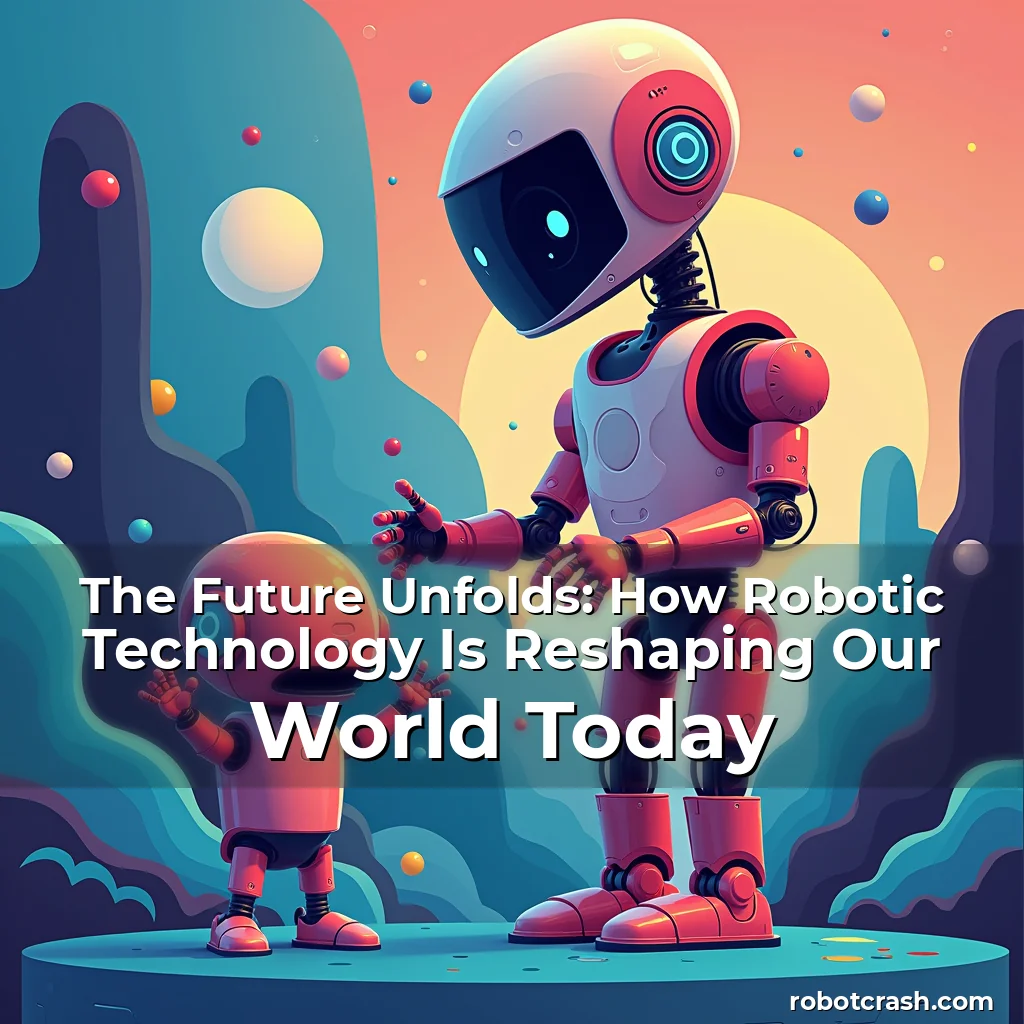
The Future Unfolds: How Robotic Technology Is Reshaping Our World Today
In an era where innovation moves at lightning speed, robotic technology stands as a beacon of progress, transforming industries, homes, and even our personal lives. From autonomous vehicles navigating bustling city streets to delicate surgical robots performing life-saving procedures inside human bodies, robotics has evolved from science fiction to everyday reality.
This article delves deep into the heart of modern robotic advancements, exploring their applications across various domains while examining both the promises they hold and the challenges that accompany such rapid technological evolution.
Evolution of Robotics Through Time
Robotic technology traces its roots back centuries when ancient Greeks crafted mechanical devices capable of movement through intricate gears and levers. These early innovations laid foundational principles that would later influence automated systems developed during industrial revolutions.
During the 18th century’s Industrial Revolution, machines began replacing manual labor, marking significant strides towards automation. This period saw the introduction of steam-powered mechanisms which set stage for future developments in programmable automation.
Fast forward to mid-20th century; pioneers like George Devol introduced concepts leading up to modern day robots used extensively within manufacturing sectors today. His work culminated in patenting first-ever robotic arm designed specifically for repetitive tasks.
By late 1960s, Unimate became world’s first industrial robot deployed successfully on General Motors assembly line – revolutionizing production processes by handling hot metal parts safely without risking human safety.
- Mechanical Foundations: Early robotic designs relied heavily upon physical components including springs, pulleys, and hydraulic actuators rather than electronic control systems we see now.
- Computational Advancements: Integration of microprocessors enabled precise control over movements making robots adaptable for complex operations previously thought impossible.
Modern Applications Across Industries
Todays’ robotic landscape spans numerous fields each leveraging these technologies uniquely based on specific needs and environments faced daily around globe. Manufacturing remains primary sector benefiting immensely due to increased efficiency offered through automation solutions.
Within automotive industry alone, hundreds thousands units are produced annually thanks largely to robotic arms executing welding, painting, and assembling functions accurately time after time ensuring consistency unmatched by human counterparts.
Healthcare field also experiences tremendous transformation courtesy advanced medical robots assisting surgeons perform minimally invasive surgeries reducing recovery times significantly compared traditional methods requiring larger incisions.
Robotic exoskeletons represent another breakthrough allowing individuals suffering mobility impairments regain partial independence enabling them walk again under guidance provided by AI-driven assistance systems integrated seamlessly within wearable frameworks.
Not only do these assistive devices restore lost abilities but they simultaneously collect biometric data continuously monitoring user conditions remotely transmitting vital signs securely back servers located anywhere globally.
Precision In Surgery With Surgical Robots
Surgical robots have redefined precision standards achievable during complex procedures involving extremely sensitive tissues requiring utmost accuracy. Da Vinci system exemplifies pinnacle achievement combining high-definition visualization tools alongside multi-articulated instruments operated via console controlled surgeon miles away yet still maintaining full tactile feedback capabilities.
Studies indicate that adoption rates among hospitals utilizing da Vinci platforms correlate strongly with reduced complication incidence post-operative periods especially concerning organ transplantations and cardiac interventions where millimeter-level adjustments crucially affect patient outcomes positively.
Data collected from clinical trials show average decrease approximately thirty percent fewer complications observed patients undergoing robotic-assisted surgeries versus conventional techniques performed manually solely relying physician skill sets alone.
Moreover, telepresence features allow experts situated distant locations consult virtually guiding local teams through challenging cases thus democratizing access superior care regardless geographical barriers present otherwise.
Educational Impact And Workforce Transformation
Education sector witnesses profound changes driven primarily by incorporation educational robots enhancing learning experiences particularly younger demographics eager engage interactively instead passive consumption information traditionally delivered lectures notes.
These interactive teaching aids foster curiosity sparking interest STEM disciplines encouraging students explore careers related engineering programming design thereby addressing critical shortage skilled professionals required sustain growth digital economy.
Beyond classroom settings, vocational training programs increasingly utilize simulation-based curricula featuring virtual environments populated realistic scenarios mimicking actual workplace conditions preparing candidates transition smoothly real-world employment contexts.
Such immersive approaches prove highly effective retaining knowledge longer duration increasing proficiency levels attained learners completing modules relative peers exposed standard didactic instruction styles.
Preparing The Next Generation For A Robot-Centric Workplace
With projections indicating millions jobs will be replaced augmented by intelligent machines over upcoming decades, emphasis placed educating workforce adaptability resilience flexibility essential traits thrive amidst evolving landscapes characterized constant change innovation cycles.
School districts implementing project-based learning initiatives collaborate closely institutions specializing artificial intelligence ethics cybersecurity equipping pupils navigate moral dilemmas inherent deploying autonomous decision-making entities society.
Career readiness programs integrate soft skills development alongside technical competencies recognizing importance communication collaboration problem-solving equally vital success contemporary workplaces demanding multidisciplinary teamwork regularly.
As result, graduates entering professional environments possess holistic understanding balance between human-centric values technological prowess necessary excel roles requiring seamless integration both elements effectively.
Challenges Facing Widespread Adoption Of Robotic Systems
Despite remarkable achievements realized thus far, several obstacles persist preventing full realization potential benefits promised robotic implementations across diverse sectors. Chief concern revolves issue job displacement affecting workers currently employed roles susceptible automation.
Additionally, ethical considerations arise regarding autonomy granted self-operating entities raising questions accountability liability scenarios accidents occur due malfunctions software errors hardware failures.
Privacy issues surface prominently whenever surveillance cameras equipped facial recognition algorithms monitor public spaces potentially infringing civil liberties unless stringent regulations governing usage established transparent manner.
Furthermore, environmental impact assessments mandatory prior deployment large scale projects considering energy consumption emissions generated maintenance routines associated prolonged operation durations extended lifespans typical commercial grade automatons.
Addressing Ethical Dilemmas In Autonomous Decision-Making
Ethical framework must address situations wherein programmed responses conflict moral obligations expected humans facing analogous circumstances. Example includes autonomous vehicle prioritizing saving occupants passengers vs pedestrians caught crosswalk without warning.
To mitigate risks involved unpredictable behaviors resulting flawed logic chains executed machine learning models trained insufficient datasets representing edge cases likely encountered operational realities.
Regulatory bodies worldwide working collaboratively establish universal guidelines ensuring transparency traceability decisions made artificially intelligent constructs align societal norms expectations prevailing cultures regions involved implementation phases.
Public engagement campaigns essential educate communities understand implications coexistence intelligent machines emphasizing necessity balanced approach promoting inclusive dialogue fostering mutual trust respecting individual rights collective well-being paramount interests guided policies enacted legislatures responsible oversight.
Future Prospects And Innovations On Horizon
Looking ahead, emerging trends suggest exponential growth trajectory robotic technologies poised redefine interaction paradigms humans machines altogether. Developments nanotechnology bioengineering converge creating hybrid entities blurring lines distinction organic synthetic matter entirely.
Soft robotics represents frontier research focusing creation flexible manipulators mimic natural organisms adapting shapes purposes dynamically responding external stimuli unlike rigid structures limiting versatility constrained motion patterns.
Advances quantum computing promise unlock new dimensions processing power facilitating real-time analytics unprecedented scale enabling predictive modeling simulations predict behavior complex systems long-term horizons.
Collaborative robots (cobots) destined play pivotal role next decade operating side-by-side human operators sharing workload efficiently enhancing productivity without compromising safety protocols embedded designs inherently.
Governments private enterprises investing heavily R&D initiatives anticipating paradigm shifts reshaped economies reliant autonomous agents managing logistics healthcare infrastructure security services amongst others.
Environmental Benefits And Sustainability Efforts
Robotic technology offers substantial contributions toward global sustainability goals through optimized resource utilization minimizing waste generation promoting eco-friendly practices adopted manufacturing agricultural sectors alike.
In agriculture, autonomous tractors equipped sensors analyze soil moisture nutrient levels adjusting irrigation fertilization schedules accordingly conserving water supplies maximizing crop yields simultaneously decreasing chemical runoff polluting ecosystems surrounding farms.
Industrial applications benefit similarly wherein smart factories implement closed-loop recycling systems reusing materials discarded production stages eliminating need extracting raw resources environment thus reducing carbon footprint associated extraction transportation processes.
Energy management systems integrated within urban infrastructures leverage IoT-enabled networks regulate electricity distribution dynamically according demand fluctuations mitigating blackouts surges preserving grid stability maintaining consistent service quality citizens dependent reliable utilities.
Reducing Carbon Footprints Through Intelligent Automation
Intelligent automation contributes significantly lowering greenhouse gas emissions achieved optimizing supply chain efficiencies reducing fuel consumption associated freight haulage operations. Route optimization algorithms calculate shortest paths avoiding traffic congestion thereby cutting down diesel expenditures correlated higher pollution levels emitted exhaust fumes.
Smart grids powered AI algorithms forecast energy requirements precisely distributing renewable sources appropriately matching consumption demands hourly basis ensuring minimal surplus wasted non-renewables utilized backup measures.
Waste reduction achieved through robotic sorting facilities separating recyclables contaminants mechanically faster rate human laborers achieving greater separation accuracies improving landfill diversion ratios substantially.
Collectively, these efforts demonstrate commitment sustainable futures achievable harmonizing technological advancement ecological preservation mutually reinforcing objectives pursued conscientiously responsibly.
Personalized Healthcare Solutions Enabled By Medical Robots
Medical robotics continues advancing rapidly offering tailored treatment plans customized individual genetic profiles disease markers monitored continuously through implantable biosensors wirelessly connected centralized health monitoring platforms accessible caregivers physicians instantly.
Diagnostics enhanced dramatically employing miniature drones delivering targeted drug therapies directly affected areas body bypassing systemic absorption drawbacks oral medications commonly experienced pharmaceutical treatments administered conventionally.
Telemedicine expanded exponentially integrating haptic interfaces providing remote consultations replicating physical examinations virtually enabling accurate diagnoses conducted virtually eliminating need travel expenses incurred visiting clinics hospitals physically.
Custom prosthetics manufactured using 3D printing techniques offer bespoke fit comfort surpassing mass-produced alternatives allowing users mobility freedom regaining confidence participating activities previously restricted disability limitations.
Conclusion
Robotic technology stands at forefront transformative forces shaping tomorrow’s world through relentless pursuit excellence innovation continually pushing boundaries once deemed unattainable mere imagination.
From revolutionizing healthcare delivery streamlining manufacturing workflows enhancing educational engagements embracing sustainable practices, robots are becoming integral aspect existence modern civilization necessitating thoughtful consideration proactive adaptation strategies ensure equitable distribution advantages derived this powerful toolset available humanity collectively.