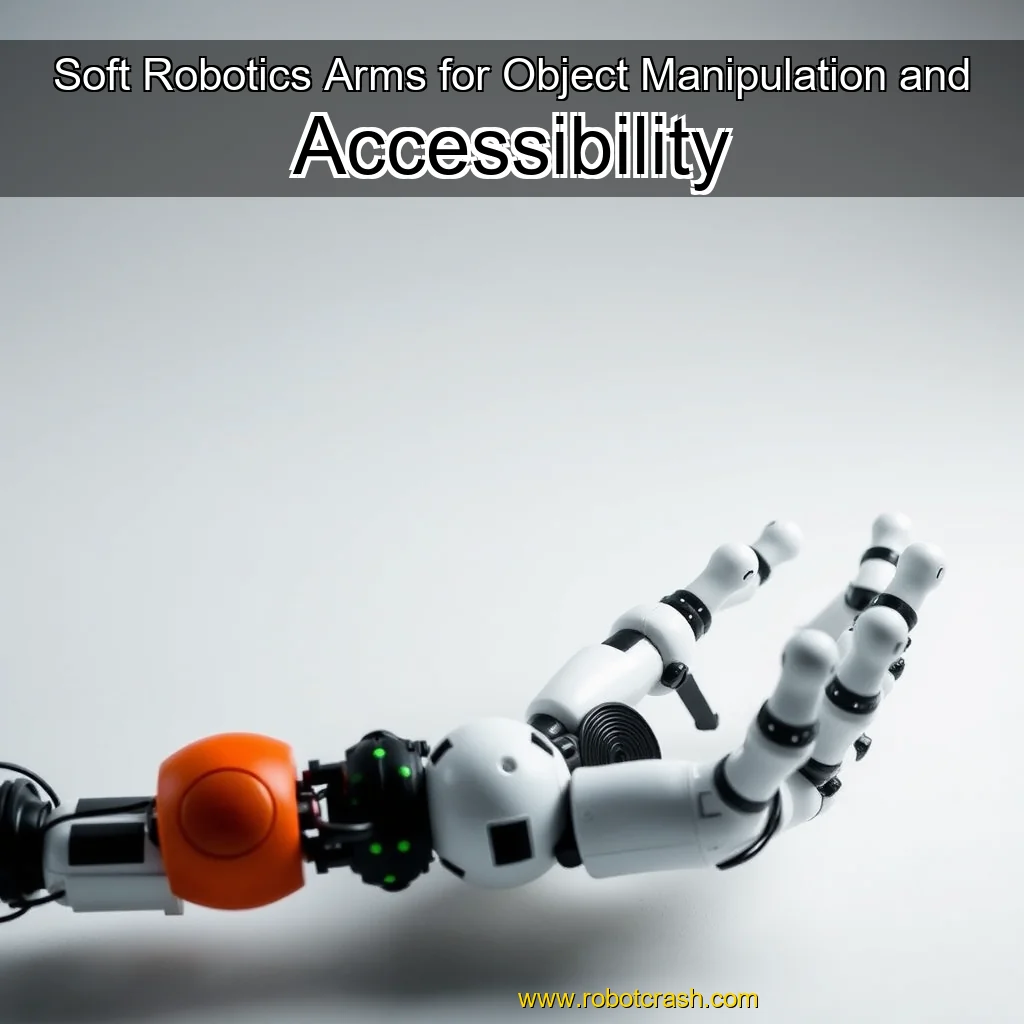
The robotic arm is made from a single piece of folded paper, which is then unfolded to reveal a functional robotic arm with a range of motion.
The Concept Behind the Origami Robotic Arm
The concept behind the origami robotic arm is rooted in the principles of origami, an ancient Japanese art form that involves folding paper to create intricate designs and shapes. Researchers at WPI have applied these principles to create a robotic arm that can be folded and unfolded to adapt to different situations. The device is designed to be compact and flexible, allowing it to be easily stored and transported. Key features of the origami robotic arm: + Made from a single piece of folded paper + Can be unfolded to reveal a functional robotic arm + Has a range of motion + Compact and flexible design
Design and Construction
The origami robotic arm is designed to be simple and efficient. The device consists of a series of interconnected paper folds that are carefully crafted to create a stable and functional robotic arm.
Soft continuum robotic arms are revolutionizing the field of robotics with their unique flexibility and adaptability.
These innovations aim to create soft continuum robotic arms that can adapt to various environments and tasks.
Introduction
Soft continuum robotic arms are a new generation of robots that are designed to mimic the flexibility and adaptability of human bodies. Unlike traditional rigid robots, these soft robots can expand, contract, and bend along their length, allowing them to move in multiple directions and around obstacles. This unique ability makes them ideal for applications in fields such as healthcare, search and rescue, and environmental monitoring.
Design and Fabrication
Researchers are designing origami-inspired structures and developing fabrication techniques using lightweight plastics, 3D-printed components, and commercially available materials. Origami-inspired structures are designed to be foldable and can be easily assembled and disassembled. Lightweight plastics and 3D-printed components are used to reduce the weight and increase the flexibility of the robotic arms.
The Potential of Soft Robots in Assistive Robotics
Soft robots have the potential to revolutionize the field of assistive robotics, offering a new paradigm for robots that can interact with humans in a more natural and intuitive way.
It assist in tasks such as picking up small objects, assembling, and disassembling.
Introduction
WPI research is focused on developing a robotic arm that can be easily customized and extended to perform a variety of tasks. The goal is to create a flexible and adaptable robotic arm that can be used in a wide range of applications, from simple tasks like picking up small objects to more complex tasks like assembly and disassembly.
Key Features
The Potential of Assistive Technology for Wheelchair Users
The world of assistive technology is rapidly evolving, and one area that is gaining significant attention is the development of devices that can enhance the lives of wheelchair users. With the increasing prevalence of spinal cord injuries and other conditions that render individuals unable to walk, the need for innovative assistive devices has never been more pressing.
The Current State of Assistive Technology
Currently, there are several types of assistive devices available for wheelchair users, including: