The Future is Automated: Exploring the Dynamic World of Robotics Engineering
In an era where technology evolves at breakneck speed, robotics engineering stands as a beacon of innovation, shaping everything from everyday household gadgets to advanced industrial automation systems. This field merges mechanical design, electronic circuits, computer programming, and artificial intelligence to create machines that can perform tasks traditionally done by humans.
Robotics engineering isn’t just about building robots; it’s about solving complex problems through intelligent machine development. As industries embrace digital transformation, the demand for skilled professionals who understand both hardware and software integration continues to rise sharply.
Fundamentals of Robotics Engineering
At its core, robotics engineering relies on four fundamental pillars: mechanics, electronics, computing, and control systems. These disciplines work together seamlessly to enable robotic systems to perceive their environment, process information, make decisions, and execute actions efficiently.
Mechanics focuses on designing physical structures that allow robots to move and interact with objects while maintaining durability under various conditions. Electronic components serve as the nervous system of a robot, facilitating communication between different parts of the system through sensors, actuators, and microcontrollers.
- Sensors: Devices that gather environmental data such as temperature, light levels, proximity, and motion detection are crucial for enabling autonomous decision-making capabilities in robots.
- Actuators: These devices convert electrical signals into mechanical movements, allowing robots to manipulate objects or navigate through spaces effectively.
Computing involves developing algorithms and writing code that instructs robots how to interpret sensor inputs, plan paths, avoid obstacles, recognize patterns, and learn from experience using machine learning techniques.
Control systems ensure smooth operation by managing interactions among mechanical parts, electronics, and computational processes. They act as central processing units that regulate power distribution, monitor performance metrics, and adjust parameters dynamically based on real-time feedback loops.
Applications Across Industries
Rapid advancements in robotics have led to widespread adoption across diverse sectors including manufacturing, healthcare, agriculture, logistics, construction, education, entertainment, and even space exploration missions conducted by NASA and private companies alike.
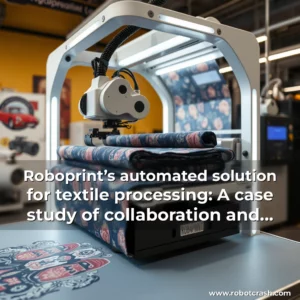
In manufacturing environments, collaborative robots known as cobots assist human workers without replacing them entirely. By handling repetitive tasks safely alongside people, these machines enhance productivity while reducing workplace injuries caused by manual labor exposure.
Healthcare has witnessed significant transformations thanks to surgical robots performing minimally invasive procedures with high precision rates compared to traditional methods involving larger incisions which result in longer recovery times for patients.
Agricultural applications range from automated harvesting equipment capable of picking fruits selectively according to ripeness indicators down to drone-based crop monitoring solutions utilizing AI-powered image recognition technologies to detect plant diseases early on.
Logistics operations benefit immensely from warehouse automation systems employing mobile robots equipped with vision-guided navigation systems that sort packages accurately before shipping them out quickly without errors.
Construction sites now utilize bricklaying robots designed specifically for assembling walls faster than conventional methods ever could achieve within tight deadlines set forth by project timelines.
Educational institutions incorporate programmable educational kits aimed at teaching children basic principles behind coding logic alongside hands-on experimentation opportunities related to physics laws governing motion dynamics.
Entertainment venues feature animatronic characters used extensively during theme park attractions providing immersive experiences enhanced further via augmented reality overlays integrated into visitor engagement strategies.
Space agencies rely heavily upon remotely operated vehicles deployed onto planetary surfaces carrying scientific instruments tasked with collecting geological samples or analyzing atmospheric compositions beyond Earth’s atmosphere.
The Role of Artificial Intelligence in Modern Robotics
Artificial intelligence plays a pivotal role in transforming static robotic mechanisms into adaptive entities capable of learning new skills autonomously over time rather than relying solely on pre-programmed instructions.
Machine learning algorithms train robots through repeated trials until they reach optimal performance thresholds dictated by success criteria established beforehand by engineers working closely with domain experts familiarized deeply within target application areas.
Natural language processing enables voice-controlled interfaces allowing users to issue commands verbally instead of typing text manually every single time when interacting with smart home assistants or virtual personal aides embedded inside modern automobiles.
Computer vision systems grant visual perception abilities necessary for object identification purposes whether recognizing faces during security surveillance checks or detecting defects present on assembly line products inspected visually prior being shipped offsite.
AI-Powered Navigation Systems
Autonomous navigation represents one critical area where AI significantly enhances mobility functions previously limited strictly towards predefined pathways mapped out initially ahead of deployment phases.
Advanced SLAM (Simultaneous Localization And Mapping) techniques empower self-driving cars and delivery drones alike navigating unfamiliar terrains successfully without requiring extensive GPS coverage continuously available everywhere globally.
Data collected from lidar scanners combined with camera feeds processed instantly via onboard GPUs provide real-time situational awareness required for making split-second driving decisions avoiding potential collisions imminent otherwise.
This level of sophistication ensures safe travel routes calculated precisely considering traffic congestion levels detected simultaneously along with road condition updates sourced directly from municipal infrastructure management networks maintained constantly updated nationwide.
Education and Career Pathways in Robotics Engineering
Becoming proficient in robotics requires acquiring knowledge spanning several interconnected domains demanding dedication towards mastering theoretical foundations coupled with practical implementations reinforcing conceptual understanding firmly rooted in experiential learning approaches advocated widely nowadays amongst STEM educators worldwide.
Academic programs typically begin with foundational courses covering mathematics essentials such as calculus, linear algebra, differential equations complemented appropriately by introductory classes delving deeper into fundamentals underlying classical physics principles essential later stages involved designing dynamic systems subjected regularly unpredictable external forces acting upon them unpredictably.
As students progress academically, they encounter specialized coursework focusing primarily on mechatronics integrating mechanical engineering concepts tightly woven around electromagnetism theories explained thoroughly earlier semesters laying groundwork necessary subsequently tackling intricate topics revolving around control theory applied broadly ranging from aerospace propulsion engines up through consumer product designs aiming maximizing energy efficiency ratios achieved consistently throughout operational lifetimes measured annually against industry benchmarks established periodically reviewing technological developments occurring rapidly outside classroom settings confined strictly within academic calendars structured rigidly following semester schedules defined formally years ago.
Hands-on laboratory sessions play vital roles ensuring competence developed sufficiently translating abstract mathematical formulations derived analytically into tangible constructs demonstrated physically exhibiting behaviors predicted mathematically theoretically beforehand validated experimentally afterwards confirming accuracy inherent assumptions made implicitly during derivation processes carried out meticulously adhering rigorously standard protocols followed universally regardless geographical locations visited frequently attending international conferences showcasing latest breakthroughs published recently journals indexed comprehensively databases accessible freely online platforms hosting open-access publications promoting transparency sharing discoveries openly fostering global collaboration accelerating pace innovation cycles shortened considerably compared past decades marked slower advancement trajectories observed historically documented thoroughly historical records preserved digitally archived systematically organized chronologically categorized topically searchable easily retrieved swiftly whenever needed urgently.
Career prospects remain robust offering lucrative salaries competitive benefits packages attractive perks appealing especially recent graduates entering workforce seeking meaningful employment opportunities aligned personally professionally goals aspirations ambitions pursued relentlessly since earliest childhood memories filled curiosity questions answered partially gradually through formal education informal mentorship relationships cultivated deliberately strategically over extended periods cultivating expertise progressively evolving continuously adapting fluidly responding dynamically shifting landscapes dominated increasingly interdisciplinary research endeavors characterized cross-functional teamwork essential successful outcomes realized collaboratively rather individually isolated efforts yielding suboptimal results unsatisfactory failing meeting expectations exceeded surpassing standards expected originally envisioned initially projected conservatively cautiously prudently.
Challenges Facing Robotics Engineers Today
Despite remarkable achievements attained thus far within field robotics engineering still numerous challenges persist hindering full realization potential transformative impact promised initially heralded enthusiastically optimistic forecasts painted vividly bright future awaiting eagerly anticipation widespread adoption accelerated proliferation exponentially growing numbers deployed ubiquitously seamlessly integrated daily routines enhancing quality lives immeasurably profoundly.
One primary obstacle revolves ethical considerations surrounding autonomy granted machines endowed ability operate independently executing tasks entrusted them potentially conflicting interests stakeholders involved differing priorities competing objectives necessitating careful balancing act weighing risks rewards associated implementing policies regulating behavior governed transparent accountable frameworks ensuring public trust maintained safeguarding rights protected respected upheld consistently perpetually.
Technical limitations also pose considerable hurdles preventing seamless integration existing infrastructures currently operating reliably albeit inefficiently sometimes dangerously depending contexts circumstances prevailing locally nationally internationally varying drastically across regions continents hemispheres.
Power consumption remains another persistent challenge particularly concerning portable mobile units requiring sustained operation prolonged durations without frequent recharging interruptions disrupting continuity services rendered reliant continuous availability uninterrupted connectivity stable network connections reliable sources electricity supply consistent voltage fluctuations minimized through sophisticated power management systems engineered meticulously optimizing energy utilization achieving maximum output minimum input ratios calculated precisely calibrated iteratively refined incrementally improved repeatedly tested verified empirically validated scientifically proven conclusively demonstrated irrefutably.
Interoperability issues arise frequently when connecting disparate subsystems manufactured separately often incompatible protocols communications formats data structures leading frustrating compatibility problems obstructing smooth functioning ecosystems composed heterogeneous components needing harmonious cooperation achieving unified purpose greater whole exceeding sum individual parts contributing synergistically collectively producing outcomes superior isolated performances separately considered individually evaluated separately assessed independently judged objectively measured quantitatively analyzed statistically correlated causally linked logically inferred rationally deduced systematically synthesized coherently articulated clearly expressed explicitly stated unambiguously.
Future Trends Shaping Robotics Engineering
The landscape of robotics engineering is poised for dramatic changes driven largely by emerging trends such as swarm robotics, soft robotics, bio-inspired designs, quantum computing applications, and sustainable practices emphasizing eco-friendly materials usage minimizing carbon footprints throughout entire lifecycle assessments performed diligently comprehensively exhaustively.
Swarm robotics mimics natural phenomena found within insect colonies enabling groups small autonomous agents collaborate completing complex tasks collectively rather than relying singular entity performing all operations alone thereby distributing workload evenly increasing resilience against failures occurring randomly unexpectedly possibly causing complete system collapse otherwise.
Soft robotics introduces flexible manipulators capable bending twisting stretching adapting shapes conforming irregular surfaces unlike rigid counterparts constrained fixed geometries limiting versatility applicability scenarios demanding adaptability responsiveness changeable forms morphing dynamically according needs situations encountered.
Bio-inspired designs draw inspiration nature organisms’ anatomical features physiological mechanisms ecological adaptations applying analogous principles constructing novel architectures improving efficiency effectiveness reliability sustainability aspects integral successful implementation commercial viability long-term maintenance costs reduced substantially optimized significantly.
Quantum computing promises revolutionary advances accelerating computations formerly impractical due sheer complexity magnitude data sets processed simultaneously exponentially expanding possibilities exploring alternative solutions hitherto deemed computationally infeasible prohibitively expensive resource-intensive requiring supercomputers clusters consuming vast amounts electricity generating heat needing cooling systems elaborate infrastructure costly unsustainable environmentally harmful contradicting green initiatives promoted fervently lately advocating renewable resources clean energies solar wind geothermal hydropower etc.
Sustainable practices will become non-negotiable requirements dictating material selection sourcing production methods disposal recycling strategies prioritizing circular economy models closed-loop systems eliminating waste pollution emissions ensuring regenerative capacities restored replenished naturally replenishing itself indefinitely without depleting finite resources irreversibly damaging ecosystems already strained severely due anthropogenic activities intensifying climate change impacts worsening global warming consequences escalating frequency intensity extreme weather events threatening livelihoods destabilizing economies compromising food supplies water access shelter security fundamental necessities life.
Community Engagement and Collaboration in Robotics
Roboticists thrive best within vibrant communities where ideas exchanged freely knowledge shared generously resources pooled cooperatively creating fertile ground nurturing groundbreaking innovations springing forth unexpectedly delightfully surprising everyone involved participating actively contributing meaningfully enriching collective wisdom continually expanded enhanced elevated constantly.
Open-source projects democratize access cutting-edge tools libraries frameworks APIs allowing enthusiasts professionals alike contribute modify extend functionalities tailoring solutions bespoke requirements specific niches underserved markets overlooked segments society benefiting equitably fairly inclusively regardless socioeconomic backgrounds geographical locations cultural differences linguistic barriers.
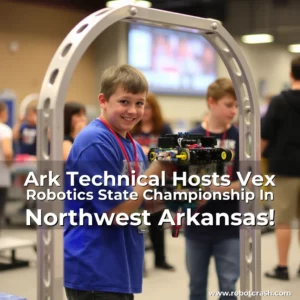
Competitions such as FIRST Robotics Challenge inspire young minds cultivate problem-solving acumen teamwork spirit perseverance determination essential qualities indispensable lifelong journeys pursuing careers dedicated advancing frontiers science technology engineering mathematics fields intertwined inseparably shaping tomorrow’s world today.
Collaborative research initiatives bridge academia industry governmental bodies pooling expertise funding facilities equipment necessary conducting experiments validating hypotheses testing prototypes scaling solutions transitioning smoothly marketplaces ready consumers eager adopting newly discovered technologies revolutionizing lifestyles dramatically altering perceptions realities experienced daily lived moments cherished treasured forever remembered fondly.
Online forums social media groups virtual workshops webinars provide platforms discussing current events debates controversies celebrating milestones acknowledging contributions honoring pioneers trailblazers whose visionary thinking paved pathways others follow confidently securely knowing solid foundation laid firmly guiding future explorations ventures undertaken boldly fearlessly daringly.
Conclusion
Robotics engineering embodies a multidisciplinary approach blending artistry craftsmanship analytical reasoning intuitive insight creativity ingenuity persistence passion fueling relentless pursuit excellence pushing boundaries what possible imagining futures yet conceived.
By embracing ongoing education staying abreast latest developments engaging proactively within supportive communities individuals position themselves advantageously securing promising career trajectories contributing positively societal evolution propelled forward ceaselessly by innovative minds devoted tirelessly refining perfecting reshaping world day-by-day moment-by-moment.