The Future is Here: Exploring the Revolutionary Landscape of Robotic Technology
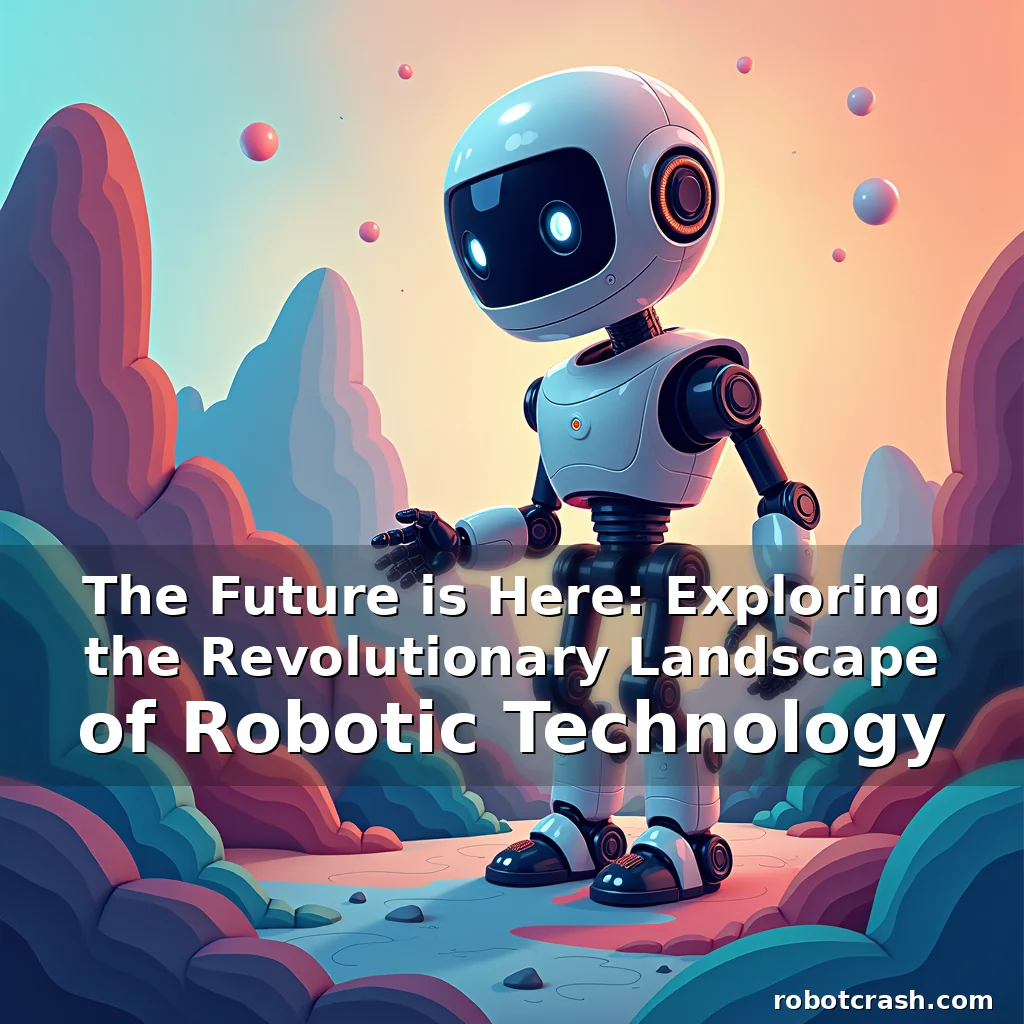
In an era where innovation moves at breakneck speed, robotic technology stands out as one of the most transformative forces shaping our world today. From manufacturing floors to space exploration missions, robots are redefining what’s possible across industries.
This article delves deep into the fascinating realm of robotic technology, examining its evolution from simple mechanical arms to intelligent systems capable of complex decision-making. We’ll uncover how these advancements are reshaping workplaces, homes, and even human relationships through automation and artificial intelligence integration.
The Evolutionary Journey of Robotics
The story of robotics begins in ancient Greece with Archytas’ steam-powered pigeon, but true modern robotics emerged during World War II when engineers developed remote-controlled devices for bomb disposal tasks. This marked the first time machines could perform dangerous work without risking human lives.
Throughout the late 20th century, industrial robots transformed manufacturing processes worldwide. These early versions were rigidly programmed machines that performed repetitive assembly line tasks with remarkable precision. However, their limited adaptability restricted them primarily to controlled factory environments.
A significant turning point came in the 1980s with the introduction of computer-integrated manufacturing systems. This shift allowed robots to communicate with other machinery through digital networks, enabling more flexible production lines that could quickly switch between different product types.
- Mechanical Robots: Early models focused purely on physical movement and pre-programmed actions
- Sensor Integration: The addition of sensors enabled basic environmental awareness and feedback mechanisms
- Artificial Intelligence: Modern robots now process information independently and make decisions based on real-time data analysis
Todays advanced robotic systems combine elements from each stage of development while incorporating cutting-edge technologies like machine learning algorithms and neural network processing capabilities. This fusion has created adaptable machines that can learn from experience rather than relying solely on initial programming instructions.
As we continue exploring this technological frontier, it becomes clear that robotic technology is not merely about replacing humans with machines. Instead, it represents a new chapter in human-machine collaboration that promises unprecedented possibilities for problem-solving and productivity enhancement.
Current Applications Across Industries
The impact of robotic technology spans numerous sectors, revolutionizing traditional workflows and creating entirely new business opportunities. In healthcare alone, surgical robots have dramatically improved patient outcomes by performing minimally invasive procedures with microscopic precision.
Manufacturing facilities now utilize collaborative robots (cobots) that work alongside human workers instead of displacing them completely. These smart machines enhance efficiency while maintaining safety standards through built-in force-limiting features that prevent accidental injuries.
Logistics companies benefit immensely from autonomous mobile robots designed specifically for warehouse operations. These units navigate complex environments using advanced mapping software and pick-and-place mechanisms that significantly increase inventory management accuracy.
The agricultural sector has also embraced robotic solutions to address labor shortages and improve sustainability efforts. Autonomous tractors equipped with GPS guidance systems optimize crop yields while reducing fuel consumption compared to conventional farming methods.
Even creative fields such as art and music have seen robotic innovations. Artists use programmable robotic arms to create intricate sculptures, while musicians experiment with automated instruments that respond dynamically to live performances.
The Role of Artificial Intelligence in Robotics
Artificial intelligence serves as the nervous system of modern robotic systems, granting them cognitive abilities previously thought impossible for machines. Through AI integration, robots can analyze vast amounts of data, recognize patterns, and make informed decisions autonomously.
Machine learning algorithms enable robots to continuously refine their performance over time by analyzing past experiences and adjusting behaviors accordingly. This adaptive capability allows service robots in hospitality settings to better understand guest preferences after repeated interactions.
Natural language processing breakthroughs have led to the creation of conversational robots capable of understanding and responding to human speech with increasing accuracy. Virtual assistants like Alexa demonstrate how far we’ve come since simple voice recognition systems from decades ago.
Computer vision technology has expanded robotic applications beyond structured environments. Drones equipped with facial recognition software can identify individuals from aerial footage, while medical imaging robots assist radiologists in detecting anomalies within complex scans.
These developments signify a fundamental shift in robotics – moving from predetermined task execution towards dynamic interaction with unpredictable environments. As AI continues evolving, so too will the potential uses of robotic technology across various domains.
Ethical Considerations in Robotic Development
While robotic technology offers tremendous benefits, it also raises profound ethical questions regarding privacy, employment displacement, and decision-making autonomy. As machines become increasingly capable of independent action, society must grapple with defining appropriate boundaries.
Privacy concerns arise particularly in areas involving surveillance drones and biometric identification systems. When used irresponsibly, these technologies risk infringing upon personal freedoms and civil liberties. Establishing clear regulatory frameworks remains crucial to balancing security needs against individual rights protection.
The economic implications of widespread automation pose another challenge. While some argue that robots create new job categories requiring specialized skills, others fear mass unemployment due to rapid technological adoption outpacing workforce reskilling initiatives.
Autonomous weapons systems represent perhaps the most contentious issue in robotics ethics. Unlike traditional military hardware, lethal autonomous weapon systems (LAWS) operate without direct human control, raising serious moral dilemmas about accountability and proportionality in warfare scenarios.
Addressing these challenges requires multidisciplinary approaches combining technical expertise with philosophical inquiry. Ethical guidelines need continuous refinement as robotic capabilities evolve, ensuring responsible innovation aligns with societal values and legal principles.
The Human-Machine Interface Revolution
Advancements in human-computer interfaces have fundamentally changed how people interact with robotic systems. From intuitive touchscreens to sophisticated gesture recognition technologies, these improvements bridge the gap between organic users and synthetic machines.
Voice command systems have become ubiquitous in both consumer electronics and professional environments. Smart home devices exemplify this trend, allowing users to control lighting, temperature, and security systems simply through spoken commands.
Glove-based haptic feedback systems offer tactile communication between operators and remotely operated robots. This technology enables surgeons to feel resistance levels during delicate procedures conducted via teleoperation platforms.
Eye-tracking technology enhances accessibility for individuals with mobility impairments, allowing them to manipulate robotic prosthetics through visual cues rather than manual inputs. Such innovations highlight the growing importance of inclusive design philosophies in robotics engineering.
Neural interface research presents the most radical transformation yet – connecting brainwaves directly to robotic systems. Experimental projects already allow paralyzed patients to move robotic limbs through thought patterns alone, opening doors to revolutionary medical treatments.
Education and Training for the Robotic Age
Preparing future generations for a rapidly changing technological landscape demands substantial investment in education and vocational training programs. Schools and universities must integrate robotics curricula to equip students with relevant technical skills and conceptual understanding.
Hands-on laboratory experiences remain essential for developing practical competencies in robotics engineering. Educational institutions are increasingly adopting modular robotic kits that allow learners to build, program, and test their creations systematically.
Cross-disciplinary approaches combining STEM subjects with humanities provide well-rounded preparation for emerging careers in robotics. Understanding social contexts helps engineers develop ethically sound solutions that consider broader impacts beyond technical specifications.
Lifelong learning initiatives play a critical role in keeping professionals updated with industry advancements. Online courses, workshops, and certification programs help current practitioners acquire new knowledge and stay competitive in the evolving job market.
Public-private partnerships between educational institutions and technology firms foster experiential learning opportunities. Internship programs give students real-world exposure while providing companies access to fresh talent pools proficient in next-generation robotic technologies.
Futuristic Possibilities in Robotic Innovation
Looking ahead, robotic technology promises groundbreaking transformations across multiple dimensions of daily life. Researchers envision self-repairing materials integrated with robotic components that can detect damage and initiate repair processes automatically.
Swarm robotics inspired by insect behavior may lead to highly efficient construction techniques where thousands of small robots collaborate to assemble structures much faster than traditional methods permit. This approach could revolutionize disaster relief operations by enabling rapid reconstruction of damaged infrastructure.
Biohybrid robots blending biological tissues with electronic circuits represent another exciting frontier. Scientists are experimenting with muscle cells grown in laboratories to power soft-bodied robots capable of navigating unstructured environments more effectively than rigid counterparts.
Quantum computing integration might eventually grant robots unparalleled problem-solving capacities. By leveraging quantum superposition states, future robotic systems could simultaneously explore countless solution pathways to find optimal answers within seconds.
Despite these promising prospects, realizing such visions requires overcoming significant scientific hurdles. Continued interdisciplinary research and international cooperation will be vital to translating theoretical concepts into tangible, safe, and beneficial applications for humanity.
Conclusion
Robotic technology has evolved from simple mechanical devices to sophisticated systems capable of enhancing nearly every aspect of modern life. Its journey reflects humanity’s relentless pursuit of progress through innovation and adaptation.
To fully harness the potential of robotic technology, stakeholders across all sectors must prioritize ethical considerations, invest in education, and embrace collaborative approaches toward responsible development. This balanced perspective ensures that technological advancement remains aligned with human welfare and sustainable growth objectives.